
Business
7 Unforgettable Holiday Packaging Ideas You Must Know!


Want to inspire your audience this holiday season with holiday packaging boxes? You have landed at the right place!
As the holiday season arrives, businesses get more orders from their customers. Along with maintaining the quality of the product’s packaging, you also have to ensure timely delivery of the buyer’s orders. For this, you need to look for a packaging manufacturer that can provide boxes of premium quality in bulk. So you can finalize the packages of customers ahead of the expected date. In addition, you need to focus on some points while designing holiday packaging to inspire maximum customers.
Let’s go through the blog, so you can learn about those pro tips that can help your brand create a worth-remembering experience for the target market!
Pro-tips To Create Impressive Holiday Packaging
Brainstorm Early
Don’t just sit and wait for the holiday season. Instead, start brainstorming unique ideas ahead of the season. This way, you will get enough time to implement the ideas that you have thought in your mind for designing the boxes.
When designed with care, holiday boxes can bring smiles to millions of faces globally. Therefore, the boxes should be engaging enough to win the hearts of your audience in the first place.
Brainstorming can help you develop countless creative ideas. Such as you could include handwritten notes in the customer’s parcels. Or, you can have your company’s logo on holiday gift packaging that can help you promote your brand. Whatever ideas come up in your mind, start implementing them before the holiday season actually rolls around!
Include Seasonal Items
As soon as the holiday season arrives, people look for those things in the market that contain holiday subjects. For instance, on Christmas, the images of Santa Claus can be incorporated into the boxes. If it’s Black Friday, you can print various promotional offers on the box. So you can let your customers know about the ongoing deals or discounts you offer on your merchandise.
To go the extra mile, you can include holiday-themed objects in the packages you will be shipping to customers. This will make them feel more excited about the holiday season. Also, they will get a worth-remembering unboxing experience.
Connect With Customers via Story Telling
The packaging does more than simply protect the contents inside. It should be utilized to communicate with the audience on an emotional level. You can connect with your users more deeply by incorporating engaging narratives on the holiday packaging boxes.
To let the customers engage with your product, you can incorporate an image of a person enjoying your product on the box. This way, customers will perceive your product as worth investing in and imagine using it before actually buying.
Communicating with the audience via packaging is key to strengthening long-lasting customer relationships. What else you can do is utilize creative writing techniques and take the audience on your products or brand’s journey. If your brand takes a sustainable approach, you must share your brand’s sustainability story with the target market through the packaging!
Take Care of Deadlines
During the holiday season, orders are at their peak. To fulfill the customer’s requirements earlier, you must act proactively, so the orders are not delayed. Although you are trying your best to delight visitors with customized holiday gift card packaging, you must also watch the deadlines closely. If you are not able to meet up the deadlines, it will not only spoil the holiday season of the buyers. But it will also leave a bad impression on the customer’s minds, and they won’t trust your brand anymore.
Use High-Quality Materials
When a brand aims to provide high-quality and eco-friendly boxes to its audience, it leaves a positive impact on the minds of buyers. This is possible for your brand too! When selling holiday packages, you must ensure they are designed using premium quality materials. It will allow you to build your brand’s credibility among thousands of people.
To go above and beyond, you can apply special glossy finishes on the holiday packaging. This will create an added effect on the packaging. Also, you can incorporate holiday-themed embellishments that can make your boxes lighten up in a room!
Consider a Reliable Packaging Supplier
The holiday season can be chaotic as businesses have so many things to do. To keep everything streamlined, you should plan things ahead of time. This will save you a lot of hassle, and your customers will get a pleasant and smooth experience from your brand. Among many things you decide to do, ensure the supplier you choose for holiday boxes is reliable and renowned.
Consider a supplier that can provide quality boxes in bulk at a wholesale rate. You will never run out of inventory by purchasing the boxes in bulk. There will be enough boxes in stock to meet up customer’s needs. Along with this, the packaging company you are looking for should provide customized holiday packaging design at economical rates. So, both your business and customers can benefit from this.
Distinguish Yourself
Create a unique identity in the market by putting extra effort into the product’s packaging. During the holiday season, there is enough room for you to show creativity with the boxes. So you can stand out among other market players.
For the holiday boxes used to package and display products, you can utilize holiday-themed designs on them. It will not only make the boxes relevant to the theme of the event. But it will make the viewers fall for your products instantly!
Bottom Line!
We hope this blog was incredibly helpful to you. And now we believe you will ensure the delivery of orders at the right time. So this season, cheer up your customers with custom packaging and let them have an amazing unboxing experience. It will help your brand acquire new customers, eventually building a solid customer base!


In today’s rapidly evolving marketplace, logistics marketing agencies play a crucial role in bridging the gap between supply chain efficiency and customer engagement. These specialized firms leverage a deep understanding of the logistics sector, utilizing innovative strategies to help companies maximize their reach and drive growth. Here, with the increasing complexity of global trade, the demand for adept marketing tailored specifically to the logistics industry has surged here today’s rapidly evolving marketplace, logistics marketing agencies play a crucial role in bridging the gap between supply chain efficiency and customer engagement. These specialized firms leverage a deep understanding of the logistics sector, utilizing innovative strategies to help companies maximize their reach and drive growth. Here, with the increasing complexity of global trade, the demand for adept marketing tailored specifically to the logistics industry has surged.
These agencies are not just about promoting services; they are data-driven, crafting campaigns that resonate with target audiences while enhancing brand visibility. From search engine optimization (SEO) to targeted digital advertising, they employ a range of techniques to ensure that logistics companies stand out in a crowded marketplace.
As we delve into the success stories of various logistics marketing agencies, we will uncover how they have transformed their clients’ operations, enhanced their online presence, and ultimately driven significant business outcomes. By showcasing these achievements, we aim to highlight the invaluable role logistics marketing agencies play in the modern business landscape, making them indispensable partners for companies striving to thrive in this competitive environment.
Importance of Marketing in the Logistics Industry
In the increasingly competitive logistics industry, effective marketing is not just a luxury — it’s a necessity. The nuances of this sector demand a strategic approach that combines traditional marketing techniques with advanced digital strategies. As logistics firms strive to differentiate themselves, marketing becomes the driving force behind brand recognition and customer loyalty.
One of the primary roles of marketing in logistics is to educate potential clients about the complexities and benefits of various services. With rapid technological advancements and shifting consumer expectations, agencies that effectively communicate their value propositions can capture market share and establish trust.
Moreover, targeted marketing campaigns help logistics companies to reach niche markets and tailor their offerings accordingly. By leveraging data analytics, agencies can identify customer pain points and provide solutions that resonate with specific audiences.
Finally, a strong marketing presence enhances a company’s reputation in an industry often plagued by misconceptions. By showcasing success stories and transparent operations, logistics firms can build credibility and foster long-term relationships. In essence, marketing is not merely an add-on; it’s the backbone of growth and sustainability in the logistics landscape.
Overview of Success Stories
In the ever-evolving landscape of logistics, marketing agencies have emerged as pivotal players, transforming how companies connect with their audiences. These success stories highlight innovative strategies that have led to remarkable growth and brand recognition, with the specific agencies involved remaining undisclosed due to NDA agreements.
One standout example involves a mid-sized freight company that, with the help of a specialized marketing agency, revamped its digital presence. By implementing a targeted SEO strategy and launching engaging content campaigns, they saw a 150% increase in organic traffic within six months.
Another success story features a logistics startup that harnessed the power of social media advertising. Through compelling visuals and customer testimonials crafted by their marketing partner, they not only amplified their brand visibility but also achieved a 300% increase in lead generation within a year.
Additionally, a renowned global shipping firm collaborated with a marketing agency to enhance customer engagement through personalized email campaigns. The result? An impressive 45% boost in customer retention rates.
These narratives illustrate the profound impact that strategic marketing initiatives can have on logistics businesses, driving growth, fostering innovation, and ultimately reshaping the industry landscape.
Case Study 1: Innovative Strategies from Agency A

Agency A has redefined success in the logistics marketing arena through a blend of innovative strategies that cater specifically to the unique challenges of the industry. One standout initiative involved a comprehensive digital transformation project for a mid-sized freight company struggling with visibility and market penetration.
Recognizing the importance of data-driven decisions, Agency A implemented advanced analytics tools to assess customer behavior and identify key pain points. This insight laid the groundwork for a targeted content marketing strategy that included informative blogs, engaging videos, and interactive webinars, tailored to educate potential clients on industry trends and best practices.
To complement this content strategy, Agency A leveraged social media platforms, creating a robust online presence that allowed the client to connect directly with their target audience. A series of compelling case studies showcasing successful logistics solutions further established the client as a thought leader in the space.
The results were impressive: within six months, website traffic surged by 150%, and lead generation doubled. Agency A’s innovative approach not only improved brand visibility but also fostered lasting relationships, proving that thoughtful marketing can transform logistics businesses in a competitive landscape.
Case Study 2: Transformative Campaigns by Agency B
Agency B, a trailblazer in logistics marketing, recently executed a transformative campaign for a mid-sized freight company struggling to stand out in a saturated market. The agency initiated a thorough market analysis, identifying key pain points within the target audience — specifically, the need for transparency and reliability during shipment processes.
With insights in hand, Agency B crafted a multi-platform strategy that prominently featured customer testimonials and real-time tracking features. They launched an engaging social media campaign showcasing behind-the-scenes operations, which humanized the brand and built trust with potential clients. The campaign’s centerpiece was an interactive website redesign that emphasized user experience, allowing clients to easily access shipment status and logistics updates.
The results were remarkable. Within six months, the freight company saw a 40% increase in website traffic and a 25% boost in lead generation. Most impressively, customer retention rates improved significantly, as clients felt more connected and informed throughout the shipping journey. Agency B’s innovative approach not only transformed the freight company’s brand image but also set a new standard for customer engagement in the logistics sector, demonstrating the power of targeted, transparent marketing.
Case Study 3: Data-Driven Success from Agency C
- Increased Website Traffic: A 150% surge in monthly visitors due to optimized SEO and strategic content marketing.
- Lead Generation: The campaign generated a 200% increase in qualified leads within just three months.
- Conversion Rates: The brokerage saw a 35% rise in conversion rates, directly linking data-driven personalization to successful customer engagement.
- Cost Efficiency: By reallocating budget to high-performing channels identified through analytics, the client reduced their customer acquisition cost by 25%.
- This case exemplifies how Agency C’s data-driven methodologies not only foster growth but also empower logistics companies to make informed decisions that drive long-term success.
Case Study 4: Creative Branding by Agency D
Agency D took a bold step in redefining its client’s brand identity, which was struggling to resonate in an increasingly competitive logistics market. The agency embarked on a comprehensive rebranding campaign that highlighted the company’s commitment to sustainability and innovation.
Through meticulous market research, Agency D discovered that their client’s target audience was particularly passionate about eco-friendly practices. Leveraging this insight, they crafted a striking new logo and a vibrant visual identity that incorporated green elements and modern typography. The campaign’s centerpiece was a digital storytelling initiative, showcasing the logistics company’s journey toward sustainability through engaging video content and infographics.
This multifaceted approach not only revamped the brand’s image but also created a community around its values. The result? A remarkable 40% increase in brand engagement on social media platforms and a 30% rise in customer inquiries within just six months. Agency D’s creative branding efforts not only repositioned the client as a leader in sustainable logistics but also fostered lasting connections with environmentally-conscious consumers. This case highlights how innovative branding can transform perceptions and drive tangible results in the logistics sector.
Case Study 5: Technology Integration by Agency E
In an era where technology dictates market dynamics, Agency E has revolutionized logistics marketing through strategic technology integration. By leveraging advanced analytics and AI-driven insights, Agency E transformed a traditional freight brokerage into a tech-savvy logistics powerhouse.
The agency embarked on a comprehensive data-driven campaign that incorporated machine learning algorithms to predict shipping trends and optimize routes. This not only enhanced operational efficiency but also significantly reduced costs for their clients. By integrating a user-friendly digital platform, they provided real-time tracking capabilities, allowing customers to monitor their shipments with unparalleled transparency.
Additionally, Agency E implemented a customer relationship management (CRM) system tailored to the logistics sector, enabling personalized communication and targeted marketing strategies. This integration led to a 40% increase in customer engagement and a dramatic rise in repeat business.
The success of this initiative is reflected in the agency’s remarkable 30% growth in revenue over just one year. By marrying logistics with cutting-edge technology, Agency E has set a benchmark for the industry, proving that innovation is key to thriving in a competitive landscape. Their story serves as an inspiration for other logistics marketing agencies looking to harness the power of technology for success.
Key Takeaways from the Success Stories

The success stories from leading logistics marketing agencies reveal several key takeaways that can inspire others in the industry. First and foremost, the importance of data-driven decision-making stands out. Agencies that leverage analytics to tailor their strategies consistently outperform those that rely on intuition alone. This data-centric approach not only enhances targeting but also improves ROI.
Additionally, effective storytelling plays a crucial role in connecting with clients. Agencies that have mastered the art of narrative can vividly convey their brand’s value proposition, fostering trust and engagement. This emotional connection often translates into long-term client relationships.
Moreover, the adaptability of these agencies in the face of market changes highlights the need for agility. Those that pivot quickly in response to evolving consumer demands or technological advancements are better positioned for sustained success.
Lastly, collaboration emerges as a vital theme. Successful agencies prioritize partnerships, whether with tech firms for innovative solutions or with clients to co-create marketing strategies. This collaborative spirit not only enriches campaigns but also ensures they resonate deeply with target audiences, securing loyalty in an increasingly competitive landscape.
Conclusion and Future Trends in Logistics Marketing
As we reflect on the remarkable success stories from leading logistics marketing agencies, it’s clear that innovation and adaptability have been the cornerstones of their achievements. These agencies have not only enhanced their clients’ visibility but also transformed traditional logistics marketing into a dynamic, data-driven endeavor.
Looking ahead, we can anticipate several key trends shaping the future of logistics marketing. First, the integration of artificial intelligence and machine learning will allow for hyper-personalized marketing strategies, enabling agencies to tailor campaigns that resonate deeply with target audiences. Additionally, the rise of sustainability in logistics will prompt marketers to emphasize eco-friendly practices, appealing to environmentally conscious consumers.
Furthermore, omnichannel marketing will become increasingly vital, as businesses strive to create seamless experiences across various platforms. This approach will require agencies to harness analytics to track customer interactions and preferences effectively.
Lastly, the growing significance of real-time tracking and transparency in logistics services will demand innovative storytelling techniques, allowing brands to showcase their efficiency and reliability. As these trends unfold, logistics marketing agencies are poised to lead the charge, driving growth and reinforcing the vital role of logistics in the global economy.

Amazon courtesy credit, the e-commerce giant, is known for its customer-centric approach and commitment to ensuring a satisfactory shopping experience for its users. One of the ways Amazon achieves this is through its CC policy, aimed at compensating customers for certain inconveniences or issues encountered during their shopping journey.
What is Amazon Courtesy Credit?
Amazon Courtesy Credit (ACC) is a form of compensation provided to customers in recognition of various issues or inconveniences they may experience while shopping on the platform. It serves as a gesture of goodwill from Amazon to maintain customer satisfaction and loyalty.
Instances Eligible for Amazon Courtesy Credit
Late Deliveries
Customers may be eligible for ACC if their orders are delivered later than the estimated delivery date provided at the time of purchase.
Damaged or Defective Items
In cases where items arrive damaged or defective, customers can request ACC as a form of compensation for the inconvenience caused.
Inaccurate Product Descriptions
If customers receive items that do not match the product descriptions or specifications listed on the this website, they may qualify for ACC.
How to Request Amazon Courtesy Credit
Customers can request ACC by contacting Amazon customer support and providing details about the issue they encountered. Amazon representatives will assess the situation and determine if compensation is warranted.
Factors Affecting Amazon Courtesy Credit
Customer History and Engagement
Amazon may take into account a customer’s purchase history, order frequency, and overall engagement with the platform when determining eligibility for ACC.
Order Frequency
Frequent and loyal Amazon customers may receive more favorable consideration for courtesy credit compared to occasional shoppers.
Issue Severity
The severity and impact of the issue experienced by the customer also play a role in determining the amount of CC provided.
Benefits of Amazon Courtesy Credit
Amazon Courtesy Credit offers several benefits to customers, including:
- Compensation for inconvenience or dissatisfaction with the shopping experience.
- Enhanced customer satisfaction and loyalty.
- Reinforcement of Amazon’s commitment to customer service excellence.
Limitations and Considerations
While Amazon Courtesy Credit can help address certain issues encountered by customers, it’s important to note that it may not fully compensate for all inconveniences or dissatisfaction experienced during the shopping process.
Customer Experiences and Feedback
Many Amazon customers have shared their experiences and feedback regarding Amazon Courtesy Credit on various online platforms and forums. Exploring these insights can provide valuable perspectives and tips for navigating the process of requesting and utilizing courtesy credit.
Conclusion
It serves as a valuable tool for maintaining customer satisfaction and loyalty by compensating users for certain issues or inconveniences encountered during their shopping experience. By understanding the eligibility criteria and process for requesting courtesy credit, customers can leverage this benefit to enhance their overall shopping experience on Amazon.
FAQs
How do I request ACC for a late delivery?
- To request it for a late delivery, you can contact Amazon customer support through their website or app. Provide details about your order, including the order number and the estimated delivery date. Amazon representatives will assess the situation and may offer compensation in the form of CC.
What should I do if I receive a damaged or defective item from Amazon?
- If you receive a damaged or defective item from Amazon, you should contact Amazon customer support immediately to report the issue. Provide relevant details such as the order number, item description, and images showing the damage or defect. Amazon will assist you in resolving the issue and may offer CC as compensation.
Is ACC provided automatically, or do I need to request it?
- ACC is not provided automatically. You need to request it by contacting Amazon customer support and explaining the issue you encountered. Amazon representatives will evaluate your request and determine if CC is warranted based on their policies and guidelines.
Can I use ACC for future purchases on the platform?
- Yes, ACC can typically be used for future purchases on the Amazon platform. Once credited to your account, CC can be applied towards the payment of eligible items during checkout. However, it’s essential to check the terms and conditions associated with the Courtesy Credit for any specific limitations or restrictions.
Are there any restrictions or limitations on the use of ACC?
- While It can generally be used for purchases on the platform, there may be certain restrictions or limitations depending on the terms and conditions associated with the credit. For example, Courtesy Credit may have an expiration date or be limited to specific categories of products. It’s advisable to review the terms carefully to understand any restrictions before using the Courtesy Credit.
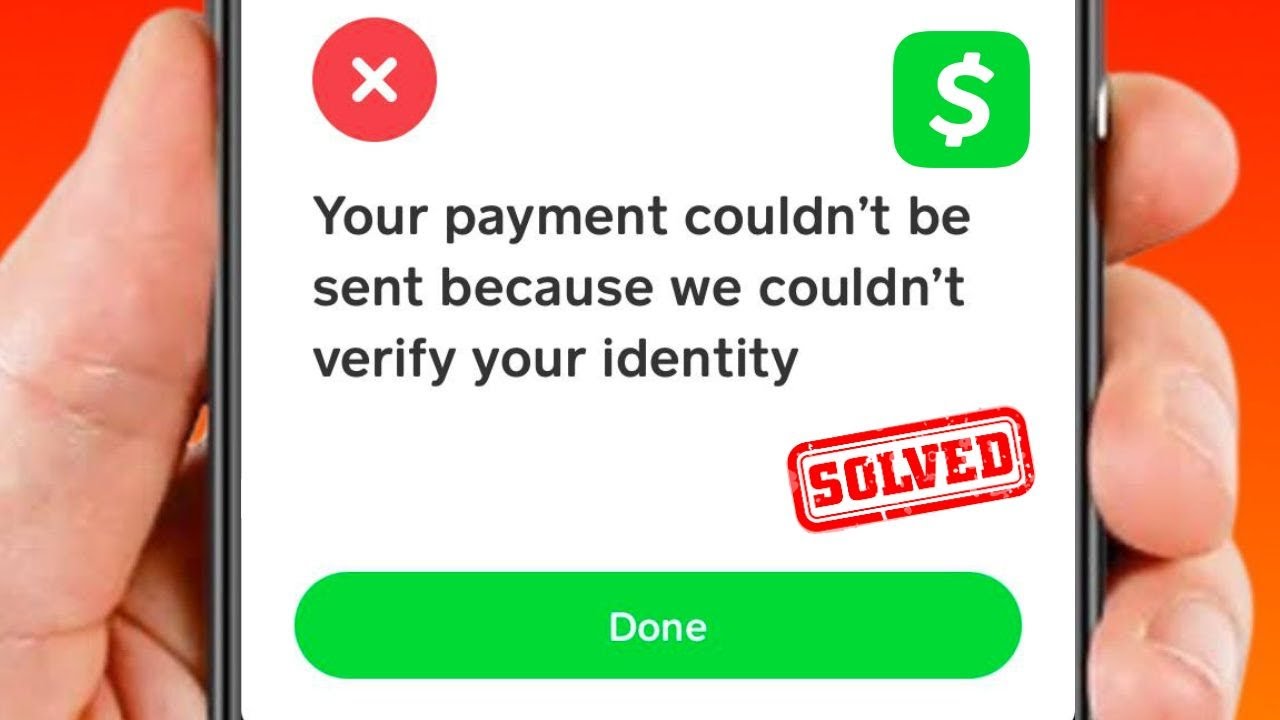
The article “your payment could not be sent cash app” This app emerged as one of the leading mobile payment platforms, offering users a convenient way to send, receive, and manage money directly from their smartphones. While Cash App provides a seamless payment experience for millions of users, occasional issues may arise, leading to payment failures and frustrations for users.
Understanding Payment Issues on Cash App
Payment issues on Cash App can occur due to various reasons, ranging from technical glitches to user error. When your payment cannot be sent on Cash App, it’s essential to understand the underlying causes and take appropriate steps to resolve the issue promptly.
Common Reasons for Payment Failures
Several factors can contribute to payment failures on Cash App, including insufficient funds, incorrect recipient information, network connectivity issues, and security concerns. Identifying the specific reason for the payment failure is crucial for resolving the issue effectively.
Steps to Take When Your Payment Cannot be Sent
If your payment could not be sent on Cash App, consider the following steps to troubleshoot the issue:
Check Account Balance:
- Ensure that you have sufficient funds in your Cash App account to cover the payment amount.
Verify Recipient Information:
- Double-check the recipient’s details, including their Cash App username or phone number, to ensure accuracy.
Retry the Payment:
- Attempt to resend the payment after confirming that all details are correct.
Monitor Transaction Status:
- Keep track of the transaction status within the Cash App interface to receive real-time updates on the payment attempt.
Contact Cash App Support:
- If the issue persists, reach out to Cash App support for assistance and further troubleshooting steps.
Contacting Cash App Support
In case of persistent payment issues, contacting Cash App support is the best course of action. Users can reach out to Cash App customer service through the app or website for personalized assistance and resolution of payment-related concerns.
Tips to Avoid Payment Issues on Cash App
To minimize the risk of payment failures and ensure a smooth transaction experience on Cash App, consider the following tips:
- Maintain Sufficient Funds: Regularly check your Cash App balance and add funds as needed to avoid payment failures due to insufficient funds.
- Verify Recipient Details: Always double-check the recipient’s information before initiating a payment to prevent errors and potential delays.
- Stay Updated: Keep your Cash App and device software up to date to benefit from the latest security patches and enhancements.
- Use Secure Networks: Avoid conducting Cash App transactions over unsecured or public Wi-Fi networks to protect your sensitive information from potential security threats.
Ensuring Account Security
In addition to addressing payment issues, prioritizing account security is paramount when using Cash App. Users should enable two-factor authentication, review transaction history regularly, and report any unauthorized activity promptly to safeguard their accounts and financial information.
Comparing Cash App with Other Payment Platforms
While Cash App offers convenience and flexibility for peer-to-peer payments, it’s essential to compare its features and functionality with other payment platforms. By evaluating factors such as transaction fees, security measures, and user experience, users can make informed decisions about which platform best suits their needs.
Conclusion
In conclusion, encountering payment issues on Cash App can be frustrating, but understanding the underlying causes and taking proactive steps can help resolve the problem effectively. By following best practices for account security, verifying recipient information, and staying informed about transaction status, users can minimize the risk of payment failures and enjoy a seamless payment experience on Cash App.
FAQs
What should I do if my payment fails on Cash App?
- If your payment fails on Cash App, double-check the recipient’s information and account balance before attempting to resend the payment. If the issue persists, contact Cash App support for assistance.
How long does it take for Cash App to resolve payment issues?
- The time taken to resolve payment issues on Cash App varies depending on the nature of the problem. In most cases, Cash App strives to address payment concerns promptly and efficiently.
Can I cancel a failed payment on Cash App?
- Yes, users have the option to cancel a failed payment on Cash App before it is successfully processed. However, once a payment is completed, it cannot be canceled or reversed.
Does Cash App charge a fee for failed payments?
- Cash App does not charge a fee for failed payments. However, standard transaction fees may apply when sending money or using certain features within the app.
Are there any limits on the amount of money I can send through Cash App?
- Cash App imposes certain limits on the amount of money users can send and receive within a specified time frame. These limits may vary based on account verification status and other factors.
 Others1 year ago
David T Bolno: Why Giving Back To The Community Is So Crucial
 Travel1 year ago
Practical And Essential Car Interior Accessories To Add Comfort And Convenience To Your Drive
 Travel1 year ago
Business Visa for CANADA
 Fashion1 year ago
Tips For Choosing The Right For Engagement Diamond Rings
 Tech1 year ago
The Best Way to Never Get Lost: Buy Wayfinding Signs!
 Business1 year ago
Top Reasons Why you Need to Consider Outsourcing Real Estate Photo Editing
 Health1 year ago
Garlic Is The Best Vegetable To Treat Heart Problems
 Business1 year ago
Dead And Co Setlist What They Played At The Gorge Amphitheatre